
Symptom guide · Pioneer Physicians
Allergic Reaction Care in Bolingbrook, IL
Pioneer Physicians Urgent Care in Bolingbrook, IL offers walk-in allergic reaction care for mild reactions such as hives, itching, a rash or red, watery eyes. We’re open 8 AM to 8 PM every day, and no appointment is needed. Trouble breathing, a swelling tongue or throat, or fainting is an emergency: use epinephrine if you have it and call 911.
- Open 7 days, 8 AM to 8 PM
- Walk-ins welcome
- X-ray and rapid tests on site
- Kids and adults
- Medicare and Medicaid plans accepted

Can urgent care treat an allergic reaction?
Yes, urgent care can treat an allergic reaction that stays mild and limited to the skin, nose or eyes, and most reactions do. A review in American Family Physician found that most sudden allergic reactions are mild, settle on their own and involve a single body system, often the skin.
Anaphylaxis is different. The review describes it as sudden trouble in two or more body systems at once, such as hives with wheezing or hives with repeated vomiting. It needs epinephrine and an ambulance, not an urgent care visit.

Signs of a mild allergic reaction
A mild allergic reaction shows up on the skin or in the nose and eyes, and it leaves breathing, voice and swallowing alone. MedlinePlus lists these common signs:
- A few hives, especially on the neck and face
- Itching or a rash
- A stuffy nose
- Red, watery eyes
What hives look like
Hives are raised, itchy welts with clear edges. They can spread, join together, change shape, and fade and return within minutes or hours, but MedlinePlus says a single welt rarely lasts more than 48 hours. The AAP notes that on dark skin, hives may be close to the surrounding skin color or slightly darker, rather than red or pink.
Swelling with or without hives
Deeper swelling, called angioedema, often appears around the eyes and lips, with or without hives. MedlinePlus advises seeing a provider the first time it happens. Swelling of the tongue or throat, or any change in breathing or voice, means call 911. If itchy eyes are the main problem, our pink eye guide covers other causes.
What we can help with today
- Skin
- A few hives, an itchy rash or redness
- Breathing
- Normal
- Mouth and throat
- Normal voice and swallowing
- Stomach
- No vomiting or cramps
- Alertness
- Alert and acting normally
- What to do
- Home care, or a same-day visit
What causes allergic reactions?
An allergic reaction happens when your immune system treats a harmless substance as a threat. MedlinePlus names foods, medicines, insect stings, pollen, pet dander, dust and mold as the usual triggers. A first contact may bring only a mild reaction, while later contact can bring a stronger one.
The FDA recognizes nine major food allergens: milk, eggs, fish, crustacean shellfish, tree nuts, peanuts, wheat, soybeans and sesame. Food reactions usually begin within 30 minutes of eating, the AAFP review says, and sting reactions can start even faster.
Some hives have no allergen behind them. The AAP says viral infections are one of the most common causes of hives in young children, and often no cause is found. A rash only where something touched the skin, such as poison ivy, is a different kind of skin reaction, covered on our rashes page.

How to treat a mild allergic reaction at home
Most mild reactions can be managed at home. MedlinePlus suggests these first steps:
- Stay calm, because anxiety can make symptoms worse
- Avoid any more contact with the likely trigger
- Use cool compresses, plus over-the-counter hydrocortisone cream for an itchy rash
- Skip hot showers and tight clothing, which irritate hives
- Watch for signs the reaction is spreading or getting worse
Antihistamines, stings and food labels
A provider may suggest an over-the-counter antihistamine; follow the package directions. For a bee sting, MedlinePlus says to scrape the stinger out with a firm edge, like a credit card, not tweezers, which squeeze in more venom. If a food caused the reaction, keep the package, since the FDA notes the label may help your provider.
Hives or itching that won’t settle?
Walk in to our Bolingbrook clinic any day, or save your spot online, and leave with a care plan and the warning signs to watch for.
When an allergic reaction needs care today
Come in the same day when a reaction is not an emergency but is not settling, or when you do not know what caused it:
- Hives that keep spreading or do not ease with home care
- First-time swelling of the lips or eyelids, with normal breathing, voice and swallowing
- Hives or a rash after starting a new medicine
- Any reaction in someone with asthma, which raises the risk of a severe one
- A first reaction to a food, even one that has faded
Getting here
You can walk in, or save your spot online before you leave home. If wheezing or throat tightness starts on the way, pull over and call 911.

Allergic reactions in babies and children
Children can have allergic reactions at any age, including infancy. About 1 in 5 people get hives at some point, the AAP says, and a single hive usually fades within hours. The AAFP review found food-triggered anaphylaxis is most common from birth to age 4, and that breathing and stomach symptoms are easy to overlook in children.
Call 911 if hives come with face, lip, tongue or throat swelling, trouble breathing or swallowing, vomiting or dizziness. For milder reactions, our pediatric urgent care treats infants through teens on a walk-in basis. After a serious reaction, the AAP recommends a written emergency plan, made with your child’s doctor, for school staff and other caregivers.

Allergic reaction care at our Bolingbrook clinic
Diagnosis usually comes from your history and an exam. Expect questions about when symptoms began and what you ate, took, touched or were stung by beforehand. The provider checks your skin, mouth and throat, listens to your breathing and takes your vital signs.
You leave with a plan: treatment for your symptoms, a prescription if the provider thinks one will help, what to avoid, and the signs that mean call 911. If the rash has faded, bring photos and the label of any new food, soap or medicine.
Allergy testing after the reaction settles
Allergy tests look for the cause after a reaction has been treated, not during it, and MedlinePlus notes they do not help in most cases of hives. When reactions keep coming back, we offer allergy testing. Call ahead to learn how to prepare.
After a severe reaction
The AAFP review recommends an emergency action plan, an allergist visit and training on the epinephrine auto-injector. MedlinePlus adds that people with serious reactions should wear a medical ID and carry two doses of epinephrine as prescribed.
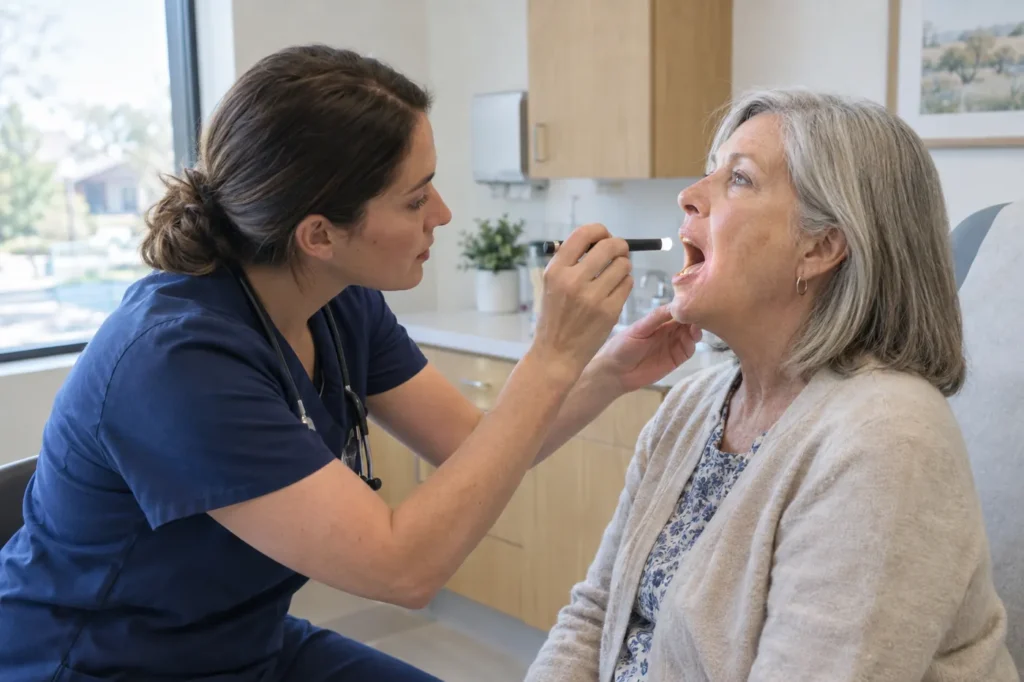
Walk-in allergic reaction care, 7 days a week
We are open every day, weekends included, but not 24 hours. After 8 PM, book a next-day visit online, and call 911 if a reaction turns severe. Our walk-in immediate care page has directions. Romeoville is about 10 minutes away by car, Woodridge 11, and Lemont and Darien about 14 each.
We accept Medicare, Illinois Medicaid plans (HFS, Meridian, CountyCare, Molina and YouthCare), Aetna, Cigna, UnitedHealthcare, Humana and Blue Cross Blue Shield of Illinois. Call (630) 914-5373 to confirm your specific plan. Without insurance, self-pay is an option: you pay for the visit plus any tests you need, so ask for current self-pay pricing when you call.
The Pioneer walk-in visit
How a visit works
- Step 1Walk in or save your spot
No appointment needed. You can also save your spot online before you leave home.
- Step 2Check in
Bring a photo ID, your insurance card and a list of the medicines you take.
- Step 3See a provider
Get examined, with X-ray and rapid tests on site when you need them.
- Step 4Leave with a plan
You go home with a care plan and clear next steps.
Why families in Bolingbrook choose Pioneer
Walk-in care that fits real life
Open 7 days a week
8 AM to 8 PM, weekends included, so a Saturday sore throat does not have to wait until Monday.
X-ray and tests on site
X-ray every day we are open, plus rapid strep, flu and COVID tests, urinalysis and EKG.
Care for kids and adults
From infants through the teen years, and adults of every age, in one clinic.
Insurance and self-pay
Aetna, BCBS of Illinois, Cigna, Humana, Medicare, Illinois Medicaid plans and UnitedHealthcare. Call to confirm your plan.
Questions and answers
Questions we hear often
Still not sure? Call (630) 914-5373 and we will help you decide.
Can I go to urgent care for an allergic reaction?
Yes, for a mild one. Hives, itching, a rash or red, watery eyes can be treated at our Bolingbrook clinic without an appointment. Trouble breathing, a swollen tongue or throat, a hoarse voice, fainting, or hives with vomiting point to anaphylaxis. Use epinephrine if you have it and call 911.
Is a walk-in clinic the same as immediate care for an allergic reaction?
Yes. In the Bolingbrook area, walk-in clinic, immediate care and urgent care are three names for one kind of same-day visit, with no appointment needed. None of them is the right place for anaphylaxis, which needs 911 and a hospital emergency room.
Is there an immediate care clinic open now for an allergic reaction?
Our Bolingbrook clinic is open every day from 8 AM to 8 PM, and walk-ins are welcome with no appointment needed. For a mild reaction after hours, use home care, watch for warning signs and book a next-day visit online. For a severe reaction at any hour, call 911.
Can urgent care do an allergy test?
We offer allergy testing, but it is for finding the cause of repeat reactions, not for a reaction happening now. Testing comes after symptoms are treated and settled, and MedlinePlus notes it does not help in most cases of hives. Call (630) 914-5373 before you come to ask what preparation your test needs.
How long does a mild allergic reaction last?
Most fade within hours to a few days. MedlinePlus says a single hive rarely lasts past 48 hours and deeper swelling usually clears in a few days. The AAP says most children’s hives episodes end within a few weeks. Hives returning for more than 6 weeks are called chronic hives and are worth a visit.
Can a mild allergic reaction turn into anaphylaxis?
It can. The FDA warns that a mild reaction does not always mean the allergy is mild, and that any allergic reaction can progress to anaphylaxis. MedlinePlus adds that later exposures can be stronger than the first. That is why a first reaction to a food or sting deserves a visit.
Can an allergic reaction come back hours later?
Yes. MedlinePlus says some reactions start several hours after exposure, and very rarely after a full day. After anaphylaxis, symptoms can also return with no new exposure, called a biphasic reaction. The AAFP review recommends at least 4 hours of medical observation, so go to the ER even when epinephrine worked.








Sources for this page
- Allergic reactions. MedlinePlus Medical Encyclopedia, National Library of Medicine.
- Anaphylaxis. MedlinePlus Medical Encyclopedia, National Library of Medicine.
- Hives. MedlinePlus Medical Encyclopedia, National Library of Medicine.
- Angioedema. MedlinePlus Medical Encyclopedia, National Library of Medicine.
- Anaphylaxis: Recognition and Management (2020). American Family Physician, American Academy of Family Physicians.
- Anaphylaxis. HealthyChildren.org, American Academy of Pediatrics.
- Hives (Urticaria) in Children: Causes, Symptoms & Treatment. HealthyChildren.org, American Academy of Pediatrics.
- Food Allergies: What You Need to Know. U.S. Food and Drug Administration.