
Symptom guide · Pioneer Physicians
UTI Testing and Treatment in Bolingbrook, IL
Yes. You can get UTI treatment in Bolingbrook, IL, at Pioneer Physicians Urgent Care, open 8 AM to 8 PM every day with walk-ins welcome and no appointment needed. The urinalysis is done while you’re here, so the provider can go over the result before you leave. Fever, back pain or vomiting with urinary symptoms means you should be seen today.
- Open 7 days, 8 AM to 8 PM
- Walk-ins welcome
- X-ray and rapid tests on site
- Kids and adults
- Medicare and Medicaid plans accepted

What a UTI is and who gets one
A UTI starts when bacteria get into the urinary tract and multiply. The CDC explains that the bacteria often come from the skin or rectum and enter through the urethra, the tube that carries urine out. A bladder infection (cystitis) is the most common type. A kidney infection (pyelonephritis) is less common but more serious, and it often starts in the bladder.
Women get UTIs about four times as often as men, because a woman’s urethra is shorter and closer to the anus. Your risk is also higher with:
- Recent sex, menopause, or using a diaphragm or spermicide
- Pregnancy
- Diabetes, or long stretches without moving, such as after a hip fracture
- A urinary catheter, now or recently
- Kidney stones, an enlarged prostate or trouble emptying your bladder
- A past UTI, older age, or being a young child

Symptoms of a bladder infection and a kidney infection
Burning when you pee and a constant urge to go are the classic signs of a bladder infection. The CDC and MedlinePlus list these symptoms:
- Pain or burning when you urinate
- Needing to go often or urgently, even right after emptying your bladder
- Cloudy, bloody or strong-smelling urine
- Pressure or cramping in the lower belly or groin
- A low-grade fever in some people
Signs it has spread to the kidneys
The CDC’s signs of a kidney infection are fever, chills, pain in your lower back or side, and nausea or vomiting, and MedlinePlus adds night sweats and flushed, warm skin. These need a same-day visit, since NIDDK warns that kidney infections can cause serious health problems if not treated early. If vomiting keeps fluids or pills from staying down, go to the ER; our nausea and vomiting guide covers dehydration.
In older adults
MedlinePlus notes that in older adults, confusion is often the only sign of a UTI. Confusion is also a warning sign of sepsis, so sudden confusion in an older adult means calling 911 or going to the ER.

What we can help with today
- Urination
- Burning, urgency or going often
- Fever
- Fever or chills, and you can drink and keep pills down
- Pain
- An ache in the lower belly, back or side
- Stomach
- Mild nausea
- Urine
- Cloudy, pink or strong-smelling urine
- Babies and older adults
- A child 3 months or older with a fever or new burning when peeing, who is still drinking
Is it a UTI or something else?
Burning with urination has more than one cause, so the urine test matters more than the symptoms alone. The CDC lists a burning feeling when peeing as a symptom of chlamydia, a sexually transmitted infection that often causes no symptoms at all. If an STI is possible, tell the provider. Our confidential STD testing covers common STIs, and while some results are ready the same day, others come from an outside lab.
In men, the CDC notes that the prostate may also need to be checked. Women with pelvic symptoms that don’t fit a bladder infection can also come in for a women’s health visit.

When a UTI needs care today
The CDC advises seeing a healthcare professional for any UTI symptom, and the signs below call for a same-day visit. If mild burning starts after we close at 8 PM, you can book a next-day visit online, but fever, back pain or vomiting overnight shouldn’t wait for morning, so go to an emergency room.
Get seen the same day for:
- Fever, chills or shaking
- Pain in your back, side or groin
- Nausea or vomiting
- Blood you can see in your urine
- Symptoms that don’t improve with treatment, or come back soon after it ends
Get your UTI symptoms checked today
Walk-ins are welcome every day, and your urine is tested during the visit. You can also pick a time online before you head over.
How UTI treatment works at our Bolingbrook clinic
At your visit we ask about your symptoms, examine you and test your urine here, as the CDC describes. Bring a list of your medicines and allergies, and tell us if you might be pregnant.
Any blood work is drawn here, then tested by an outside lab, so expect those results after your visit. We don’t have CT on site, so a possible kidney stone may mean imaging somewhere else. Our lab testing page lists the tests done during a visit.
Giving a clean urine sample
For a clean-catch sample, you clean the area, start urinating into the toilet, then catch the middle of the stream in the cup. MedlinePlus explains that this keeps germs from the genital area out of the sample.
What the urinalysis shows
A urinalysis checks for white blood cells, red blood cells, bacteria and nitrites, a chemical many UTI bacteria make. MedlinePlus says it can diagnose an infection most of the time. Certain medicines and foods, such as beets, can turn urine red, so tell us what you’ve taken or eaten. Some people also need a urine culture, a lab test that grows the bacteria to find the best antibiotic.
Treatment
When the results point to a bacterial UTI, the usual treatment is an antibiotic. NIDDK says the antibiotic is chosen with the type of bacteria and any allergies in mind, and how long you take it depends on how severe the infection is. Men may need a longer course because bacteria can move into the prostate. If the tests don’t confirm an infection, you may not need an antibiotic at all.
Home care while you get better
Take every dose of your antibiotic, even once you feel better, since NIDDK says not taking antibiotics as directed can lead to resistance. MedlinePlus says bladder symptoms most often ease within 24 to 48 hours after treatment starts, while a kidney infection can take a week or longer. Call us or come back if you aren’t improving or symptoms return. These steps help in the meantime:
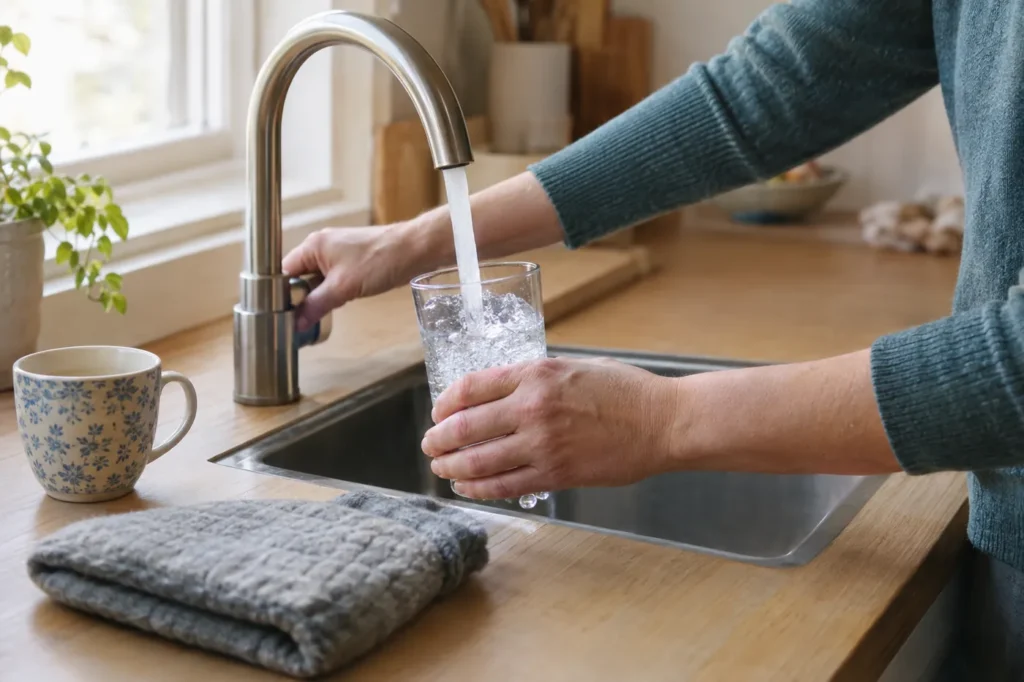
- Drink water through the day, unless a heart or kidney problem limits your fluids
- Hold a heating pad on your lower belly or back
- Ask the provider which over-the-counter pain reliever is safe for you
- Don’t share antibiotics or save leftovers, the CDC advises
UTIs in babies, children and teens
We see infants, children and teens, and UTI signs change with age. In babies, the American Academy of Pediatrics says fever may be the only sign, or a baby may be fussier, feed poorly or have less energy. Older children may have burning, need to go more often, have belly or side pain, or start wetting after being dry.
AAP pediatricians note that most children with these symptoms have another cause, such as a virus, so the urine sample has to be collected carefully, which in young children can mean using a catheter. A urine sample can’t come from a wet diaper, so parents of a child still in diapers should phone (630) 914-5373 before coming in. MedlinePlus says UTIs in children should be treated quickly to protect the kidneys. See pediatric urgent care for children’s visits, and our fever guide for fever by age.

Preventing the next UTI
Simple daily habits may lower the odds of another UTI, and repeat infections are worth a talk with a regular doctor. NIDDK says diaphragms and spermicide can raise the risk, so ask about other options if you use them, and low-dose vaginal estrogen can help prevent repeat infections around menopause. The CDC and NIDDK suggest these habits:
- Drink enough fluids, and don’t hold it when you feel the urge
- Urinate after sex
- Wipe front to back, and teach girls to do the same
- Shower instead of bathing, and skip douches and genital sprays
- Wear cotton underwear and loose clothes that don’t trap moisture
The Pioneer walk-in visit
How a visit works
- Step 1Walk in or save your spot
No appointment needed. You can also save your spot online before you leave home.
- Step 2Check in
Bring a photo ID, your insurance card and a list of the medicines you take.
- Step 3See a provider
Get examined, with X-ray and rapid tests on site when you need them.
- Step 4Leave with a plan
You go home with a care plan and clear next steps.
Why families in Bolingbrook choose Pioneer
Walk-in care that fits real life
Open 7 days a week
8 AM to 8 PM, weekends included, so a Saturday sore throat does not have to wait until Monday.
X-ray and tests on site
X-ray every day we are open, plus rapid strep, flu and COVID tests, urinalysis and EKG.
Care for kids and adults
From infants through the teen years, and adults of every age, in one clinic.
Insurance and self-pay
Aetna, BCBS of Illinois, Cigna, Humana, Medicare, Illinois Medicaid plans and UnitedHealthcare. Call to confirm your plan.
Questions and answers
Questions we hear often
Still not sure? Call (630) 914-5373 and we will help you decide.
Can urgent care test and treat a UTI?
Yes. We run a urinalysis during your visit to our Bolingbrook clinic, examine you and talk through the result before you leave. If it points to a bacterial infection, the usual treatment is an antibiotic, chosen with your allergies and other medicines in mind. We’re open 8 AM to 8 PM every day and walk-ins are welcome, or you can save a spot online.
How long do UTI test results take?
The urinalysis is done during your visit, so you get that result before you leave. A urine culture is different: it grows bacteria in a lab, and MedlinePlus says that takes 24 to 48 hours. Not everyone needs one. The CDC mentions a culture for people whose UTIs keep coming back.
Can a UTI go away on its own?
Don’t count on it. MedlinePlus says most of the time you’ll need an antibiotic to keep a bladder infection from spreading to the kidneys, and NIDDK warns that an untreated kidney infection can cause permanent kidney damage. The CDC advises seeing a healthcare professional for any UTI symptom.
Can I be seen for a UTI if I’m pregnant?
Yes. Tell us you’re pregnant, or might be, before any medicine is chosen, and let your obstetrician know about the visit. MedlinePlus lists pregnancy as a UTI risk factor. If you’re pregnant and have a fever or feel very ill, go to the ER, because MedlinePlus says some pregnant women with a kidney infection need hospital care.
Can cranberry juice treat a UTI?
No. NIDDK says cranberry juice, extract and pills don’t treat a bladder infection you already have. Some research suggests cranberry products might help prevent UTIs, but NIDDK says there isn’t enough evidence to be sure. Water is the better drink, and UTI symptoms still need a urine test and, most of the time, an antibiotic.
Do you take my insurance for a UTI visit?
Yes, if your plan is one we take: Aetna, Cigna, Medicare, Blue Cross Blue Shield of Illinois, UnitedHealthcare, Humana, and Illinois Medicaid through HFS, Meridian, CountyCare, Molina or YouthCare. Phone (630) 914-5373 to confirm your specific plan. Self-pay is also available; the cost is the visit plus any tests, so call for current self-pay pricing. Our insurance page has more.







Sources for this page
- Urinary Tract Infection Basics. Centers for Disease Control and Prevention.
- Urinary tract infection, adults. MedlinePlus, National Library of Medicine.
- Urinary tract infection, children. MedlinePlus, National Library of Medicine.
- Urine, bloody. MedlinePlus, National Library of Medicine.
- Sepsis. MedlinePlus, National Library of Medicine.
- Treatment for Bladder Infection in Adults. National Institute of Diabetes and Digestive and Kidney Diseases (NIDDK).
- Why Does My Child Keep Getting UTIs? Recurrent Urinary Tract Infections in Kids. HealthyChildren.org, American Academy of Pediatrics.
- Urgent Care, ER or Pediatrician? A Parent’s Guide. HealthyChildren.org, American Academy of Pediatrics.