
Symptom guide · Pioneer Physicians
RSV Symptoms and Care in Bolingbrook, IL
RSV symptoms usually look like a cold, with a runny nose, cough, sneezing and sometimes fever or wheezing, and most people recover in a week or two. Babies and older adults can get much sicker. Pioneer Physicians Urgent Care in Bolingbrook, IL, checks children and adults with these symptoms. We’re open 7 days a week, 8 AM to 8 PM, and walk-ins are welcome.
- Open 7 days, 8 AM to 8 PM
- Walk-ins welcome
- X-ray and rapid tests on site
- Kids and adults
- Medicare and Medicaid plans accepted

What are RSV symptoms?
RSV most often causes cold symptoms that start 4 to 6 days after a person catches the virus and show up in stages. The CDC’s guide to RSV symptoms and care lists these signs:
- Runny nose and congestion
- Cough
- Sneezing
- Fever
- Eating or drinking less than usual
- Wheezing
How RSV usually runs its course
Most RSV infections go away on their own. In children, it is usually at its worst on days 3 through 5 and lasts about 7 to 14 days. In some people, especially babies, it spreads into the small airways of the lungs (bronchiolitis) or causes pneumonia, and breathing gets harder.

RSV symptoms in babies and young children
The youngest babies may not seem to have a cold at all. The CDC says infants under 6 months may only be fussy, less active, or have pauses in breathing longer than 10 seconds, and many have no fever.
Nearly every child catches RSV before age 2, and for most it passes like a cold. Still, RSV is the most common reason babies under 1 year are hospitalized. The AAP’s RSV guide for parents lists these signs that it has reached the small airways, and any of them in a baby needs medical care right away:
- Fast breathing
- Nostrils flaring or the head bobbing with each breath
- Grunting in rhythm with breathing
- Belly breathing, or skin tugging in between the ribs or at the lower neck
- Wheezing
How to tell if your baby is working hard to breathe
Lift your baby’s shirt and watch the ribs as they breathe in. Skin sinking in between or under the ribs, or an upside-down V under the neck, means the breathing muscles are working too hard. The AAP lists ribs pulling in with each breath as a reason to go to the ER.
What we can help with today
- Breathing
- An older child or adult breathing a little faster than usual, with mild noise or effort
- Color
- Normal color of lips and skin
- Drinking
- Drinking less, dry mouth, fewer wet diapers
- Alertness
- Tired, but wakes and responds normally
- Talking
- Can speak in full sentences
- Fever
- Fever with a worsening cough in a child 3 months or older
RSV symptoms in adults
Most healthy adults with RSV have a mild cold that clears in 1 to 2 weeks, and you can catch it more than once.
Age and chronic illness change that. According to the CDC, some adults develop pneumonia, and RSV can worsen asthma, COPD and heart failure. It puts an estimated 110,000 to 180,000 U.S. adults age 50 and older in the hospital each year. If RSV sets off an asthma flare, we also offer asthma treatment.

Who is at higher risk of severe RSV
RSV hits hardest at both ends of life and in people whose lungs, heart or immune system are already strained. The CDC and MedlinePlus name these higher-risk groups:
- Babies, especially the youngest and those born early
- Children with chronic lung disease or a heart condition from birth
- Children with neuromuscular disorders
- Anyone with a weakened immune system
- All adults 75 and older
- Adults 50 to 74 with chronic heart or lung disease or certain other conditions
- People who live in a nursing home
Get RSV symptoms checked today in Bolingbrook
Come in with worsening RSV symptoms any day, no appointment needed, or reserve a time online.
Is it RSV, a cold, the flu or COVID?
Often you cannot tell from symptoms alone, since all four can cause fever, cough and a stuffy nose. Flu more often brings chills, headache and body aches, while babies with RSV are more likely to wheeze and work hard to breathe.
A rapid flu or COVID test during the visit can rule two of the four in or out. That matters because both have prescription treatments that work best when started early, especially for people at higher risk. See our flu testing and treatment and COVID-19 testing pages. If you want an RSV test in particular, call (630) 914-5373 and ask first.
How to care for RSV at home
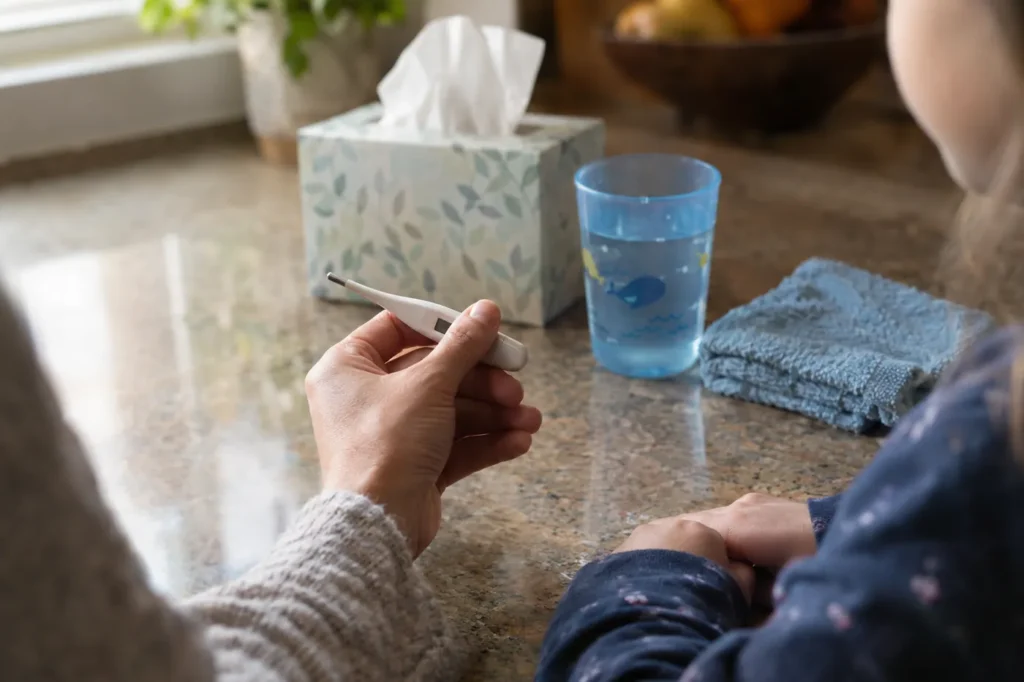
Most RSV can be managed at home. The CDC, the AAP and MedlinePlus advise:
- Offer fluids often. A baby with a blocked nose may feed slowly, so try smaller feeds more often.
- Clear a baby’s nose with saline drops and a suction bulb before feeds and sleep.
- Run a cool-mist humidifier to loosen mucus.
- Use acetaminophen for fever or aches. Ibuprofen is also an option for adults and children older than 6 months. Give children the dose their doctor advises.
- Never give aspirin to children.
- Skip cough and cold medicines for children unless their doctor says otherwise.
Cold medicines for adults at higher risk
The CDC notes that some over-the-counter cold medicines can raise blood pressure or interfere with prescriptions. Older adults and anyone with heart or lung disease should ask their doctor or pharmacist first.
Should I go to urgent care for RSV?
Getting seen today or tomorrow
Our pediatric urgent care treats infants, children and teens, and adults can walk in the same way, any day of the week. After 8 PM, if symptoms are mild, you can book a next-day visit online. If breathing gets harder overnight, call 911 or head to an ER instead of waiting for morning.

What happens at an RSV visit at our Bolingbrook clinic
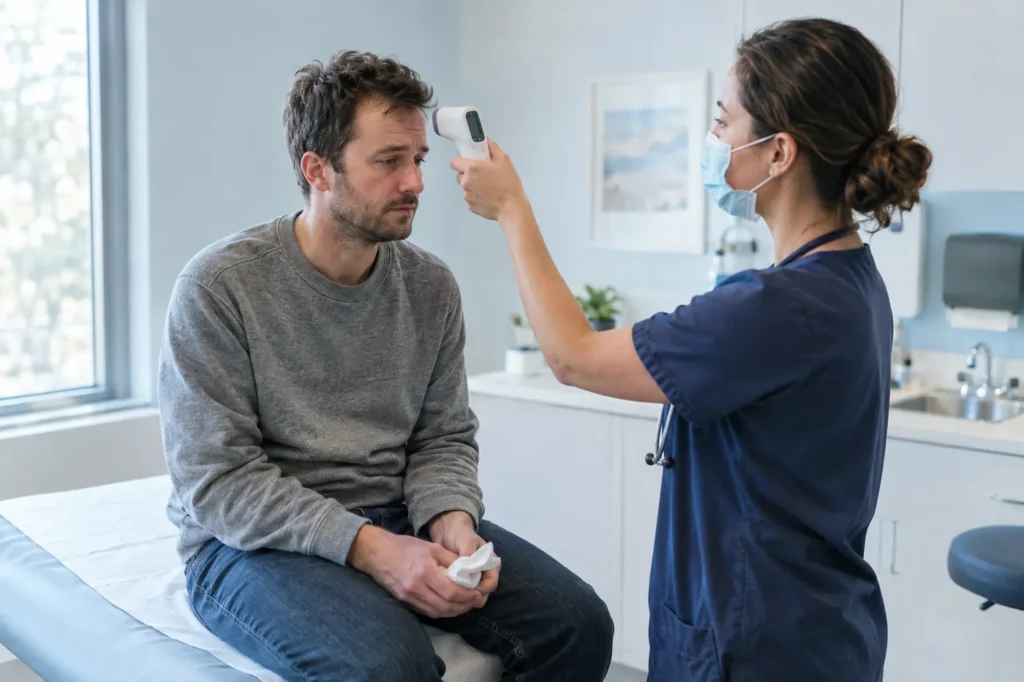
A provider asks when symptoms began, examines you or your child, listens to the lungs and checks for signs of dehydration.
We may run a rapid flu, COVID or strep test. If pneumonia is possible, a chest X-ray on site is available every day we are open. Before you leave, we walk through home care and which changes call for a return visit or a trip to the ER. If hospital care is needed, we will tell you to go to the emergency department.
Plans we take include Medicare, Illinois Medicaid plans, Aetna, Blue Cross Blue Shield of Illinois, Cigna, Humana and UnitedHealthcare. Call to confirm your specific plan, or ask about self-pay.
How to lower the risk of RSV
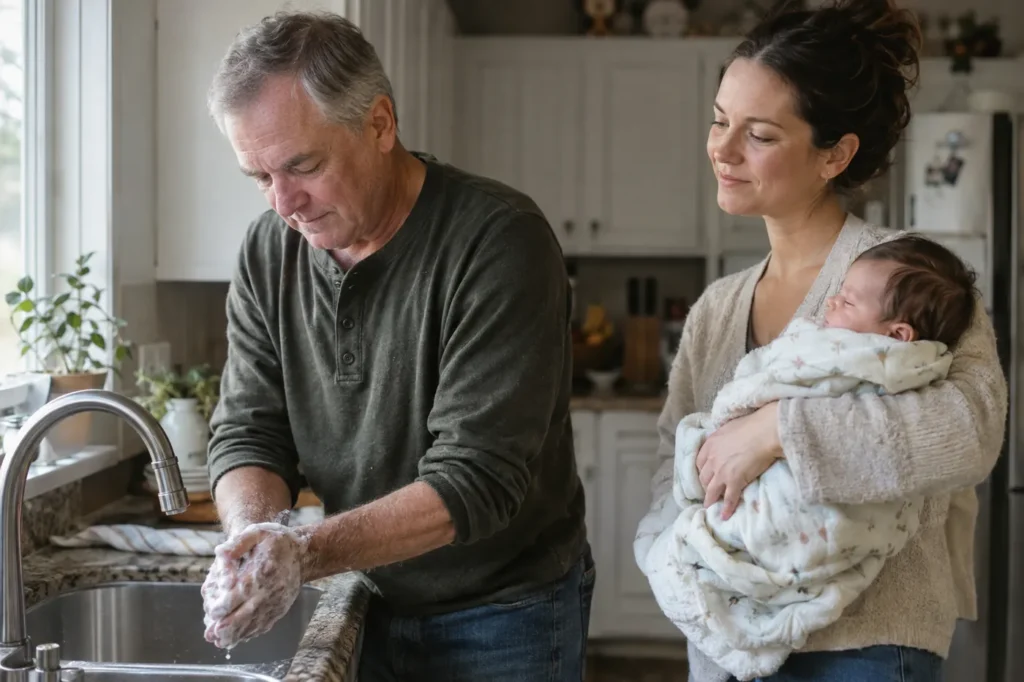
Clean hands, distance from sick people and immunization all lower the risk. Wash your hands before holding a baby, keep babies away from anyone with a cold, do not share cups, and wipe down toys and doorknobs, since RSV lives for hours on hard surfaces.
For babies, a pregnant person can get an RSV vaccine at 32 through 36 weeks of pregnancy when the baby is due during RSV season, or a baby under 8 months can get an RSV antibody shot before or during their first season. Most babies need only one of the two. We do not give childhood immunizations, so ask your baby’s doctor.
For adults, the CDC recommends one RSV vaccine for everyone 75 and older and for adults 50 to 74 at increased risk. It is not a yearly shot, and late summer or early fall is the best time. Ask your regular doctor if it is right for you.
The Pioneer walk-in visit
How a visit works
- Step 1Walk in or save your spot
No appointment needed. You can also save your spot online before you leave home.
- Step 2Check in
Bring a photo ID, your insurance card and a list of the medicines you take.
- Step 3See a provider
Get examined, with X-ray and rapid tests on site when you need them.
- Step 4Leave with a plan
You go home with a care plan and clear next steps.
Why families in Bolingbrook choose Pioneer
Walk-in care that fits real life
Open 7 days a week
8 AM to 8 PM, weekends included, so a Saturday sore throat does not have to wait until Monday.
X-ray and tests on site
X-ray every day we are open, plus rapid strep, flu and COVID tests, urinalysis and EKG.
Care for kids and adults
From infants through the teen years, and adults of every age, in one clinic.
Insurance and self-pay
Aetna, BCBS of Illinois, Cigna, Humana, Medicare, Illinois Medicaid plans and UnitedHealthcare. Call to confirm your plan.
Questions and answers
Questions we hear often
Still not sure? Call (630) 914-5373 and we will help you decide.
What are the first signs of RSV?
Usually a runny nose and eating or drinking less, along with cough, sneezing and sometimes fever. Babies under 6 months may only be fussy, less active or have pauses in breathing, and many have no fever. Symptoms usually appear 4 to 6 days after exposure to the virus.
Should I go to urgent care for RSV?
Yes, for an older child or adult whose symptoms are getting worse, who is drinking less or whose fever lingers, as long as breathing is not a struggle. We are open daily, 8 AM to 8 PM, and walk-ins are welcome. Any breathing trouble in a baby, blue lips or being hard to wake needs the ER or 911.
What RSV signs mean I should go to the hospital?
Call 911 or head directly to the ER for ribs pulling in with each breath, pauses in breathing, blue or gray lips, extreme sleepiness, being too weak to drink, or trouble speaking in full sentences. The American Academy of Pediatrics adds any baby younger than 3 months running 100.4°F or more.
Can I get tested for RSV at your clinic?
Please call (630) 914-5373 and ask about an RSV test before your visit. We run rapid flu, COVID and strep tests during the visit to check for those illnesses. For most mild cases, home care is the same either way, since no specific medicine treats RSV.
How long is RSV contagious?
Usually 3 to 8 days, starting a day or two before symptoms appear. Some babies and people with weak immune systems spread it for 4 weeks or longer. MedlinePlus says to return to normal activities after 24 hours of feeling better and no fever without medicine, then take extra care around others for 5 days.
What do RSV symptoms look like in adults?
Most adults get a cold that lasts a week or two, with a runny nose, cough, sneezing and sometimes fever. Adults 75 and older and people with heart or lung disease or a weak immune system can develop pneumonia, and RSV can worsen asthma, COPD or heart failure.
Do antibiotics treat RSV?
No. RSV is a virus, and antibiotics only work on bacteria. The CDC says antiviral medicine is not routinely recommended for RSV either. Some children with RSV develop a second infection, such as an ear infection, and a provider may treat that separately.




Sources for this page
- Symptoms and Care of RSV. Centers for Disease Control and Prevention (CDC).
- RSV in Infants and Young Children. Centers for Disease Control and Prevention (CDC).
- RSV in Adults. Centers for Disease Control and Prevention (CDC).
- How RSV Spreads. Centers for Disease Control and Prevention (CDC).
- Vaccines for Adults (RSV). Centers for Disease Control and Prevention (CDC).
- Respiratory syncytial virus (RSV). MedlinePlus, National Library of Medicine.
- RSV: When It’s More Than Just a Cold. HealthyChildren.org, American Academy of Pediatrics.
- Urgent Care, ER or Pediatrician? A Parent Guide. HealthyChildren.org, American Academy of Pediatrics.